Distillate Vape Cartridges: What to Know Before You Buy
Distillate vape cartridges have become a go-to choice for many looking for a clean, potent cannabis extract experience.
The market for cannabis concentrates has expanded rapidly over the last few years, and with it the hardware options available to consumers. Among the most convenient formats are distillate vape cartridges - prefilled, portable, and ready to use with a compatible vape battery. They offer a discreet way to enjoy a full spectrum extract without the mess of loading a dab rig or the fuss of a wax pen. But not all cartridges are made equal, and understanding what goes into them - and what you are actually inhaling - makes a real difference in both experience and safety.
I have spent years working with cannabis extracts, from live resin to shatter to budder, and I have seen the good, the bad, and the downright dangerous when it comes to vape hardware. This is not a beginner guide for someone who has never touched a cartridge before. This is for the person who wants to know why some distillate vape cartridges taste better, produce more vapor, and last longer than others. And why the cheap option can sometimes cost you more in the long run.
The Hardware Behind the Vapor
At the heart of any distillate cartridge is the atomizer. The two most common types you will encounter are ceramic coil and quartz atomizer. Each has its strengths. Ceramic coils heat evenly and are known for preserving the terpene profile of the extract. They tend to produce a smoother vapor, which is important when you are vaping a high-THC distillate that can be harsh on the throat if not handled correctly. Quartz atomizers, on the other hand, heat up faster and can produce bigger clouds, but they are also more likely to scorch the oil if you push the power too high.
I have personally switched from quartz to ceramic heating element cartridges over the past year. The difference in flavor is noticeable, especially with a full spectrum extract like live resin, which has a delicate terpene profile that can be destroyed by excessive heat. A ceramic coil gives you a more forgiving temperature range, which means you taste more of the Cannabis sativa or Cannabis indica characteristics the grower intended.
Another detail that often gets overlooked is the cartridge hardware itself. The best distillate vape cartridges use glass tanks with a 510 thread connection, making them compatible with most standard vape batteries. Some use a plastic or metal housing, which can affect the taste and heat retention. Glass is inert and does not leach anything into the oil. Metal and plastic can, especially when exposed to high temperatures over time.
Extraction Method Matters
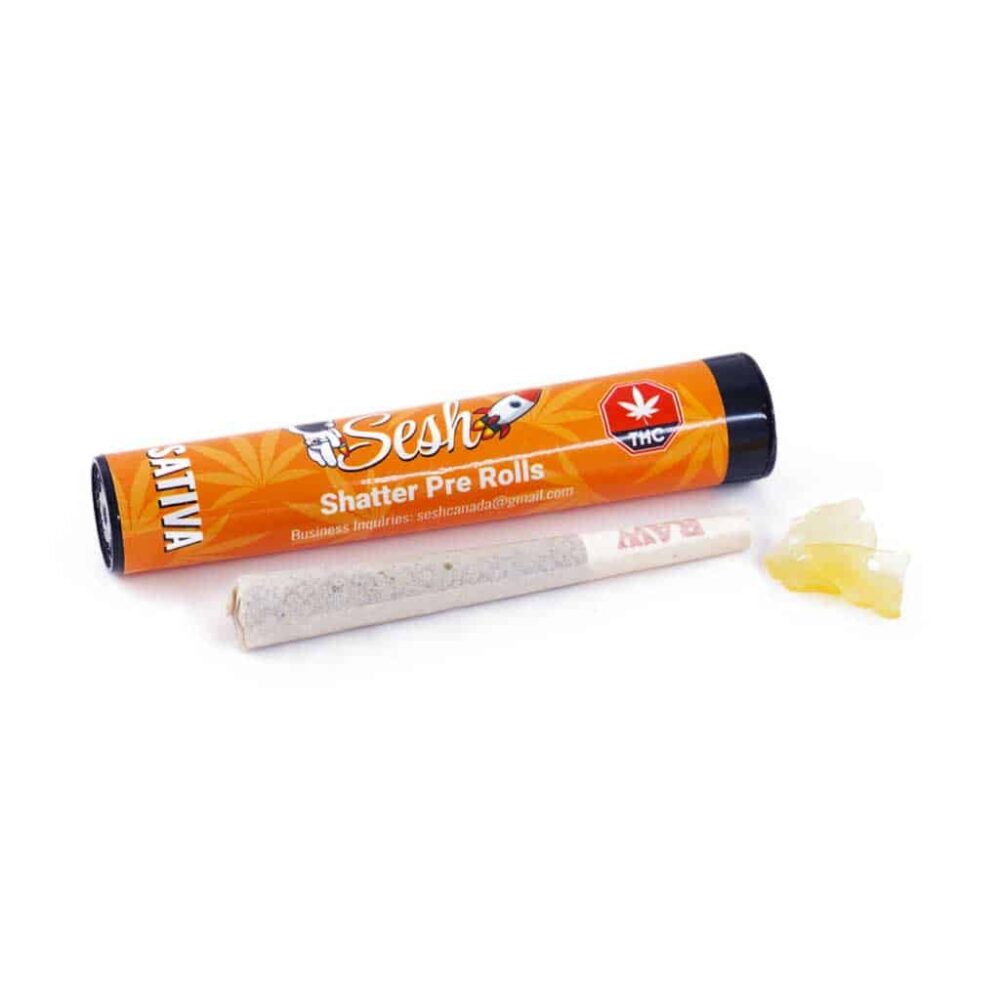
The quality of the oil inside the cartridge depends heavily on how the cannabis extract was made. Two primary methods dominate the market: solventless extraction and hydrocarbon extraction. Solventless methods, like rosin pressing or ice water hash, use only mechanical means to separate the trichomes from the plant material. No chemicals touch the final product. The result is a pure, flavorful concentrate that tends to be more expensive but also more true to the original plant.
Hydrocarbon extraction, using solvents like butane or propane, can produce a higher yield and is often used for mass-market products. It can also strip away some of the more delicate compounds, leaving a less complex terpene profile. When you see a cheap distillate cartridge, it is likely made from a hydrocarbon-extracted oil. That does not automatically mean it is bad, but it means the flavor and effect may be less nuanced than a solventless product.
I have tried both, and my preference leans toward solventless extraction for vaping. The difference is most apparent when you are using a ceramic coil at a low temperature. The flavor of a live resin or a well-made shatter can be incredible - pine, citrus, earth, all the notes the plant produced. With a hydrocarbon extract, those notes are often muted or replaced by a generic "cannabis" taste.
Battery and Power Settings
The device you pair with your distillate vape cartridges is as important as the cartridge itself. A 510 thread battery is the standard, but not all 510 batteries are created equal. Some offer variable voltage, which lets you adjust the power output to match the specific extract and atomizer you are using.
For a ceramic coil cartridge filled with a thick budder or a live resin, a lower voltage - around 2.8 to 3.2 volts - is usually ideal. It gives a gentle heat that releases the full spectrum extract without burning the oil. Higher voltages can cause the oil to degrade, producing a harsher vapor and reducing the lifespan of the cartridge. For quartz atomizers, you can sometimes get away with a bit more power, but I have found that even then, going above 3.6 volts tends to ruin the flavor after a few hits.
Another accessory worth mentioning is terp pearls. These small beads sit inside the cartridge and help distribute heat more evenly. They also reduce the chance of the oil pooling in one spot and burning. I use a couple of terp pearls in every ceramic coil cartridge I own, and the difference in vapor consistency is real. They are cheap and extend the life of the cartridge by quite a bit.
Common Pitfalls and How to Avoid Them
Even the best distillate vape cartridges can fail if you treat them poorly. One of the most common mistakes I see is leaving the cartridge attached to a vape battery that has been left in a hot car. The heat thins the oil, causing it to leak out of the mouthpiece or down into the battery connection. Once the oil leaks, the cartridge is usually ruined, and the battery can be damaged too. Always store your cartridges upright and away from direct heat.
Another issue is chain vaping - hitting the cartridge repeatedly without giving the atomizer time to cool down. The ceramic heating element can overheat, causing the oil to burn and leaving a nasty taste that never really goes away. I recommend waiting at least 15-20 seconds between pulls, especially if you are using a low-resistance coil.
You also want to watch the viscosity of the oil. A high-quality THC distillate will be thick and syrupy, not watery. If the oil in your cartridge looks too thin, it may have been cut with a thinning agent or it may be old. Thin oil is more likely to leak and can also be a sign of poor quality control.
Matching the Extract to the Device
Not every cartridge works well with every type of concentrate. For example, a very thick budder or a crumbly shatter might not wick properly in a standard ceramic coil. Some cartridges are designed specifically for runnier oils, while others work best with a more solid consistency. Reading the cartridge description is important. If a cartridge says it is for "distillate" or "THC distillate," it is usually formulated for a specific viscosity.
I have had good results with cartridges that use a full spectrum extract, because they tend to have a more balanced consistency. They also produce a more rounded effect, as they contain a wider range of cannabinoids and terpenes. A full spectrum extract from a Cannabis sativa strain will give an energetic, clear-headed experience, while one from a Cannabis indica will be more relaxing and sedating. The same principle applies whether you are using a distillate vape cartridge, a dab rig, or a wax pen.
Final Thoughts on Choosing a Cartridge
When you are shopping for distillate vape cartridges, look for reputable brands that disclose the extraction method and the type of hardware they use. Avoid anything that does not list ingredients or uses vague terms like "natural flavors." A good cartridge will list the exact strain, the extraction method, and often the terpene profile. That level of detail is a sign of quality.

You also want to check the coil resistance. Most 510 thread cartridges come in a range of resistances, typically between 1.0 and 2.0 ohms. Lower resistance coils produce more heat and vapor, but they also drain your battery faster and can burn the oil more easily. Higher resistance coils are better for flavor and for preserving the life of both the cartridge and the battery. I personally prefer a 1.4 or 1.5 ohm ceramic coil for most applications.
And do not overlook the battery. A cheap vape battery with no variable voltage will limit your ability to dial in the perfect hit. A good battery with a wide voltage range and a preheat function can make even a mediocre cartridge taste better. It is worth spending a little extra on the battery if you plan to use cartridges regularly.
Distillate vape cartridges are a convenient and effective way to consume cannabis extracts, whether you prefer a live resin, a shatter, or a budder. They are not all the same, and the differences in hardware and oil quality matter more than most people realize. By paying attention to the details - the coil material, the extraction method, the battery, and the storage conditions - you can get a consistently good experience that rivals any dab rig in flavor and effect.